 0
0
 0
0
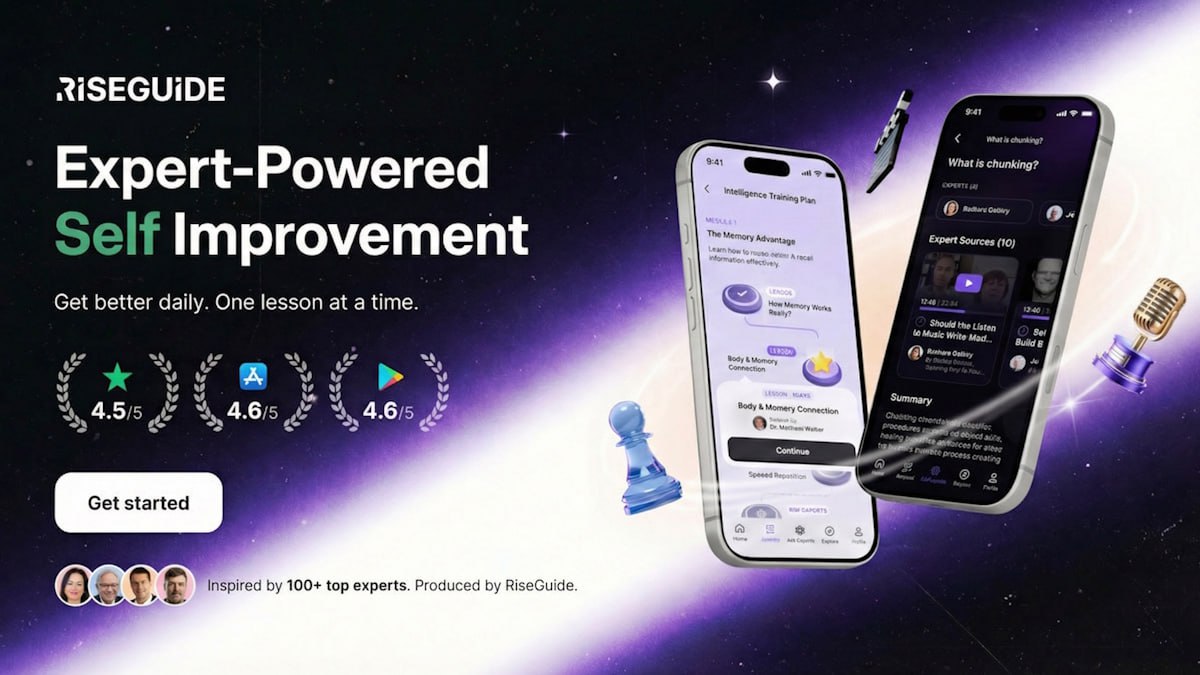
Most self-improvement efforts fail at the same point. People consume content but never build a skill. Microlearning can break this cycle, but only when it combines small lessons with regular action. The real difference between platforms isn’t quality. It’s their learning model. This article matches the format to your goals.
RiseGuide
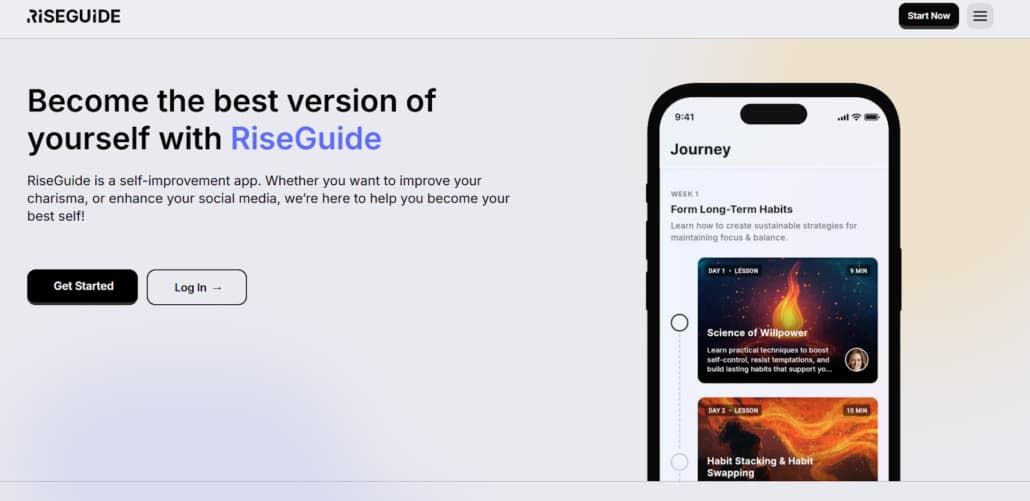
RiseGuide is built on a simple idea. Real development happens through small daily actions. We think it serves as a clear example of a platform engineered for practice, not just passive viewing. Below is a breakdown of its structure.
Daily Skill Paths and Expert Guidance on Demand
The system is built around short daily lessons grouped into structured skill paths such as communication, confidence, and cognitive performance. This format lowers the time barrier and makes consistency realistic for people who cannot commit to long courses but can return for a few focused minutes each day.
Alongside the lessons, SEEK works as an on-demand bridge to expert methods. Instead of browsing general content, users can ask specific questions and receive answers based on curated research and specialist insights. This supports real situations where targeted guidance is more useful than broad theory.
Practical Tools and Expanded Learning Scope
Learning is reinforced with built-in practical tools. Frameworks, templates, daily tasks, and guided exercises help move from understanding to application. A user might prepare for a difficult conversation, structure a clear communication strategy, or train memory techniques using ready-to-use materials.
Beyond the core paths, the Explore section expands the range of topics through a broader library of expert lessons. It allows curiosity-driven learning while keeping the main daily structure intact, so users can widen their focus without losing consistency.
The platform fits people who need a system of short, regular actions more than lengthy theory. Its model prioritizes daily routine integration. Key aspects of its structure:
- Short daily lessons built around specific self-development paths;
- Expert-powered methods drawn from specialists and high-level performers;
- SEEK that surfaces expert-backed answers to focused questions;
- Practical tools that turn learning into repeatable daily actions;
- A broad topic library that expands growth areas without losing structure.
The results compound with consistency. It’s a gradual process. This model is not hands-off and works best with consistent user effort. Progress tends to build gradually, and the range of topics can feel overwhelming at first. Not every lesson will perfectly match an individual’s level or situation, so starting with one track and expanding later usually makes the process more manageable.
MasterClass
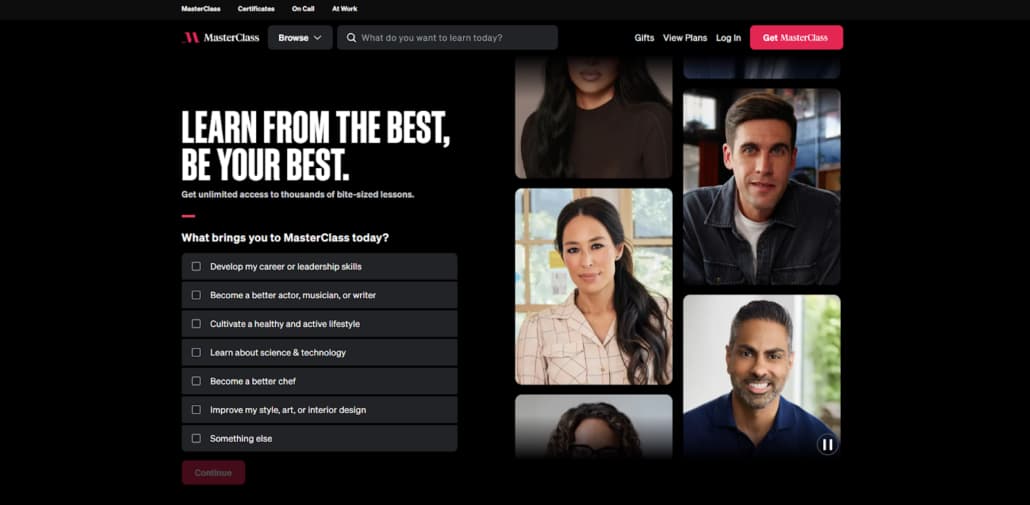
MasterClass operates differently. It centers on access to expert perspective. You learn how masters in their field think. The value is in high-production video essays filled with insight and experience, not daily skill drills.
Learning From Recognized Figures
The appeal is direct learning from celebrated practitioners. Cinematic lessons detail their creative process and mindset. You understand how a writer builds narrative tension. You see how a chef develops flavor profiles. The production is slick, the teaching inspirational.
Fit for Skill Growth vs Habit Building
This is its trade-off. The content inspires deep understanding but offers little structure for daily practice. You watch a master, but building the habit to implement their lessons is your job. It’s a master’s seminar, not a training camp. The platform’s proposition is clear:
- Lessons delivered by widely recognized experts and public figures;
- Strong focus on perspective, experience, and creative process;
- High production quality that supports engaging long-form viewing;
- Limited built-in structure for daily habit-based skill drills.
It excels as a source of inspiration, not a daily practice engine.
Mindvalley
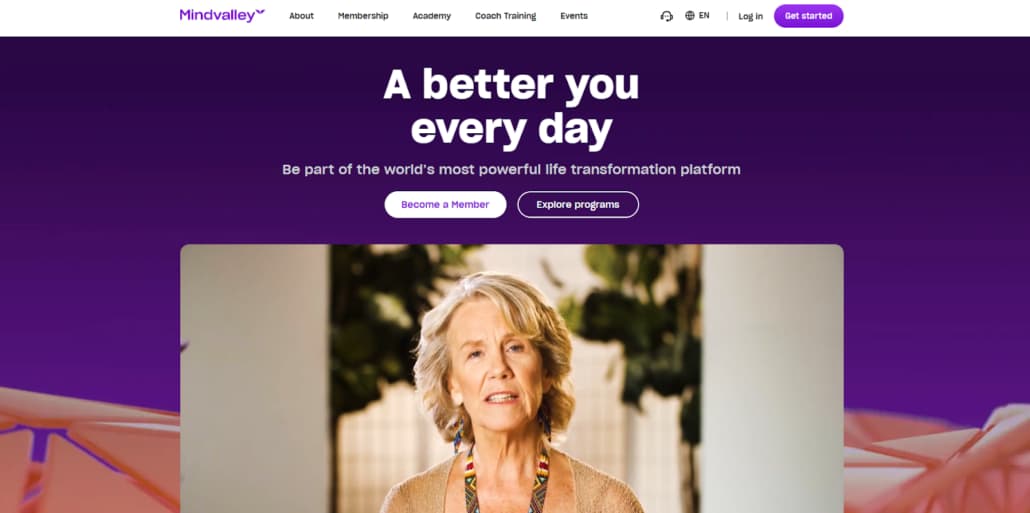
Mindvalley approaches growth as a transformational journey. It uses program-based learning, often spanning weeks, focused on holistic change. Typical themes include mindset, energy, and spirituality. This is deeper, sequential work compared to isolated micro-lessons.
Program-Based Personal Development
Learning happens inside dedicated programs like “The Silva Ultramind System.” A teacher guides you through concepts step-by-step. The emphasis is on inner transformation and fundamental mindset shifts, not just skill acquisition.
Depth vs Daily Flexibility
You commit to a program’s path. This creates coherence and depth but reduces flexibility. Switching daily between communication tips and memory training isn’t the design. It’s a chosen path, not a daily buffet. Its framework offers:
- Structured programs built around long-term personal development themes;
- Strong emphasis on mindset, wellbeing, and guided transformation;
- Learning unfolds as a sequence rather than isolated daily drills;
- Less flexible for quick topic switching across skill areas.
Choose Mindvalley for guided, thematic transformation over time.
Studio
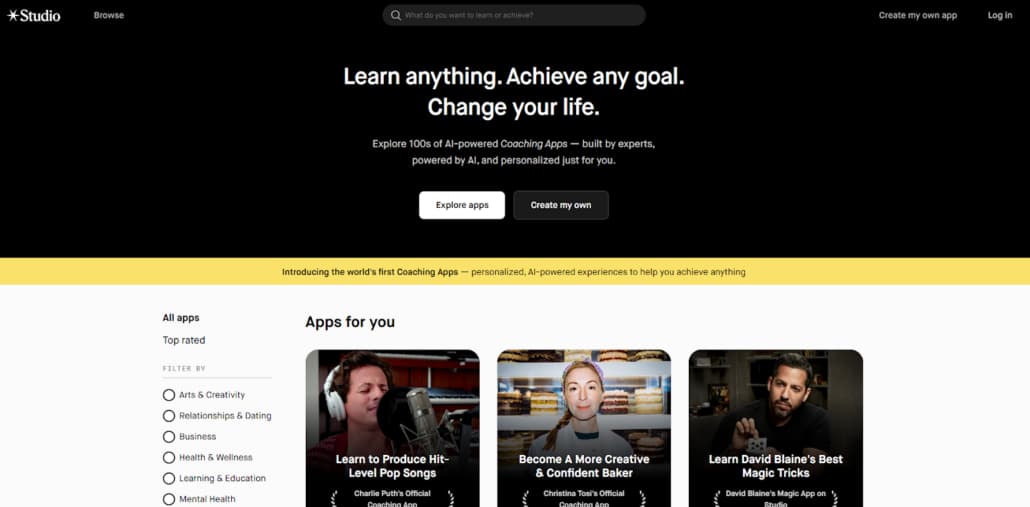
Studio targets creative skill development. Learning is project-oriented and focused on creating a tangible output such as a song, a design, or a dish. Guidance comes from working professionals, making it intensely practical within a specific scope.
Creative Skill Development Through Practice
Courses revolve around hands-on projects. You learn audio mixing by finishing a track. You learn design by creating a logo. Micro-lessons serve the next project step, tightly coupling theory with immediate application.
Narrower Scope Compared to Broad Self-Improvement
This is its defining boundary. Studio is exceptional for craft skills. It isn’t built for broad self-improvement like charisma or memory techniques. Its universe is a creative output. The model delivers:
- Courses centered on hands-on creative skill building;
- Practical outputs and projects play a central role in learning;
- Guidance typically comes from working professionals in specific fields;
- Broader personal development themes are less represented.
You go here to make things, not necessarily to transform daily habits.
Udemy
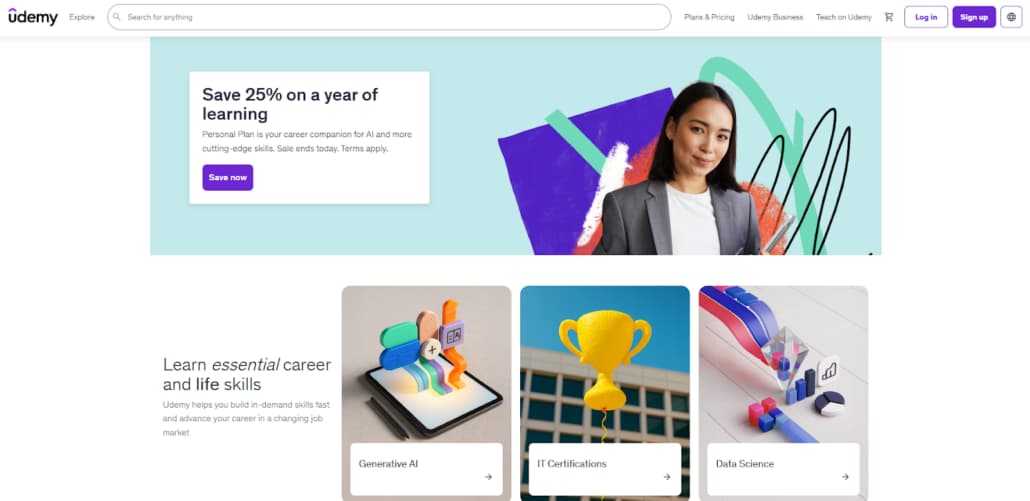
Udemy is a vast marketplace, a library of courses. You can find deep, specific instructions on almost any topic. A native microlearning or daily practice structure does not exist here. The platform provides the content, you provide all the structure.
Wide Catalog and Skill-Specific Depth
The catalog is massive. Need to master Excel or learn Spanish? There’s a course. The depth is possible if you focus. But quality and teaching style vary dramatically between instructors. You must research each course.
Self-Directed Structure and Trade-Offs
All responsibility for scheduling, practice, and accountability rests with you. This offers maximum freedom but demands high self-discipline. It’s a tool for autodidacts. Its nature is defined by:
- An extremely wide range of topics across professional and personal skills;
- Depth is possible when focusing on one course or instructor;
- Course quality and teaching style vary significantly;
- Daily structure and habit formation are not built into the platform itself.
Udemy is for deep dives into single skills, not systemic daily development.
Conclusion
The central argument is simple. The choice isn’t about which platform is best. It’s about which learning model fits you. Some are daily action systems. Others are guided transformational journeys. Others are unstructured content libraries.
Lasting progress doesn’t come from consumed content volume. It grows from the regular application of knowledge. Honestly, the format you can stick with in your actual life beats any platform with fancier experts.
The right choice aligns the tool with your goals, your natural pace, and how you learn. Maybe you need the guardrails of a daily system. Perhaps you thrive on deep, self-directed study. Match the model to your mindset. That’s the only ranking that matters.